Something went Wrong
Try entering your email again or contact us at support@qfi.org
Try entering your email again or contact us at support@qfi.org
You’ll receive an email with a confirmation link soon.
Jan 28, 2026
By Fauzia S.
Every year on 18 December, educators, learners, and communities around the world come together to celebrate World Arabic Language Day, recognised by UNESCO as a moment to honour one of humanity’s most influential languages. Arabic is not only rich and diverse - it is deeply interwoven with the trade, cultures, and traditions of many communities across the globe. It has shaped civilisations, inspired art and scholarship, and connected people across continents for centuries.
For young people today, Arabic has a global benefit: it opens doors: to history, diplomacy, art, and a deeper understanding of the world around them. It fosters connection across communities and invites learners to engage with one of the world’s most vibrant cultural landscapes. At its heart, language remains a bridge - and Arabic continues to be one that brings people together in meaningful and lasting ways.
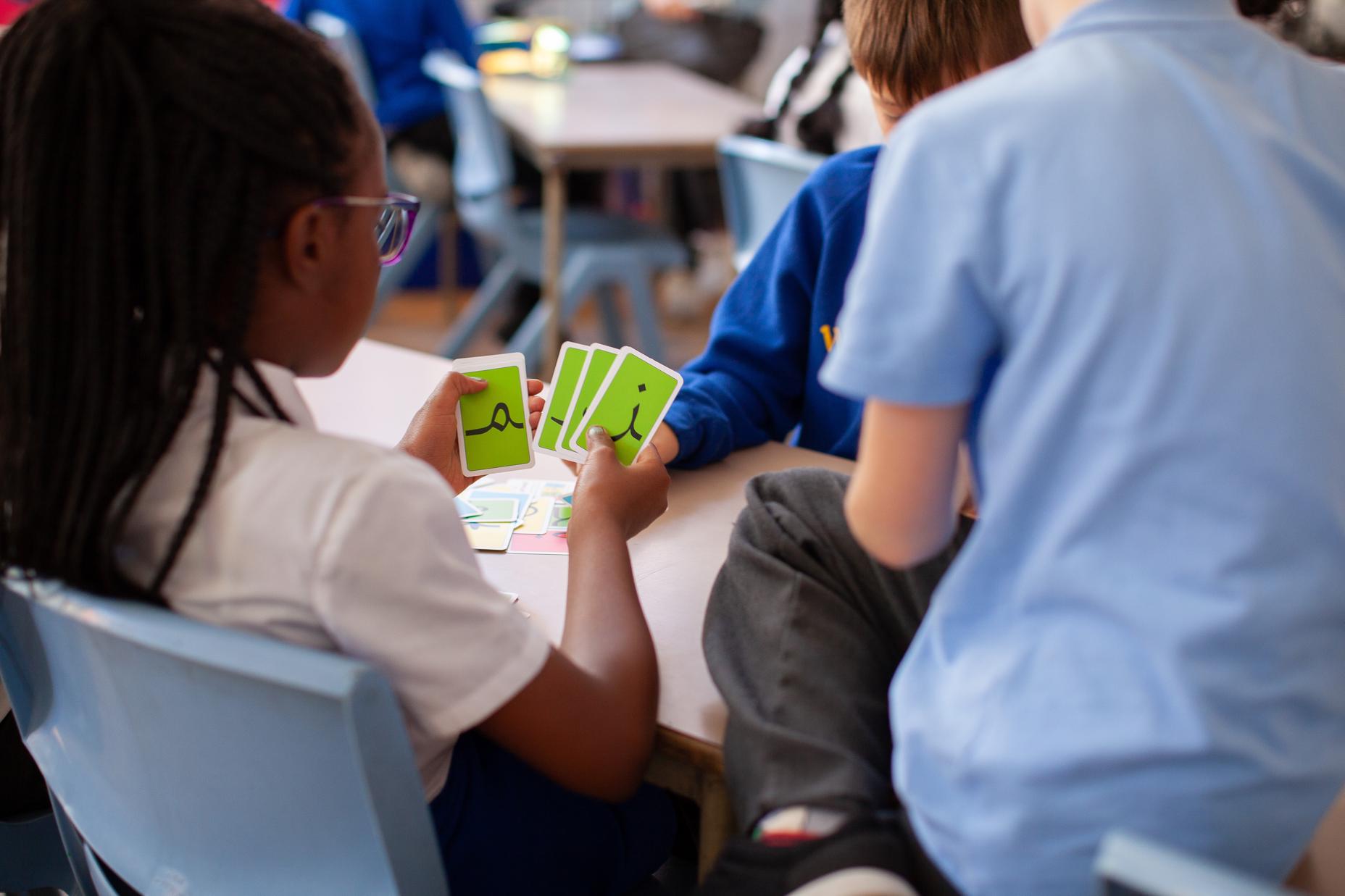
This year, I chose a different path in marking this special occasion: a student-led celebration of World Arabic Language Day. The result was one of the most inspiring events I have ever hosted.
Theme-Based Presentations: Students Taking the Lead
The programme began with presentations, each group selecting a theme to research and turn into a creative slide - I gave them the freedom to pick what is close to their hearts:
What stood out was how confidently students expressed their ideas in English and Arabic. The same student who presented the Music, chose an Arabic song, performing it passionately and beautifully - an unexpected highlight that filled the room with pride – and invited the audience to sing with her.
A Dialogue Across Dialects
We were honoured to welcome three guests and a former student, each offering insight into a different dialect of Arabic: Egyptian Arabic, Gulf Arabic, and Iraqi Arabic.
Their presence turned the session into a lively conversation. Students asked thoughtful questions about their journeys learning Arabic and the careers they now pursue using the language. Questions included: What is one misconception people often have about Arabic, and how it can be challenged and how schools can make Arabic more accessible to non-heritage learners.
For our heritage learners, this session also carried a gentle reminder: while many people learn Arabic through textbooks and years of study, they themselves come from families where the language is already part of daily life. It was a positive moment of recognition - an affirmation that the linguistic and cultural knowledge they bring is valuable, and something to be proud of.
Art, Calligraphy, and Cultural Expression
The celebration continued with a live calligraphy workshop led by a visiting artist. Students were given tools, ink, colours, and paper to create their own pieces of Arabic-inspired art. Many produced work that was truly striking—an expression of creativity grounded in language and identity.
Later in the afternoon, older students guided younger pupils in creating personalised Arabic name keyrings, bookmarks and small souvenirs for family and teachers. These moments of peer learning captured the spirit of the day: confidence, collaboration, and joy.
This year’s celebration showed just how powerful it is when students are given space to lead, explore, and connect. Arabic became more than something they study - it became something they experience. The pride they felt, the questions they asked, and the creativity they brought to every part of the day reminded us why events like this matter. As educators, we can keep building on this energy by opening more doors, offering more chances to discover the language in real and meaningful ways, and helping every learner see that Arabic is a language for everyone.
Disclaimer: The views and opinions expressed in this blog are those of the author and do not necessarily reflect the views of Qatar Foundation International (QFI). While QFI reviews guest contributions for clarity and to ensure the content is valuable for our audience, the accuracy and completeness of the information are the responsibility of the author.
Submit Your Own Blog!
We invite educators, researchers, and professionals in Arabic education to share their insights with our community. Whether you teach, conduct research, or support Arabic language learning, your voice can spark innovation, drive change, and deepen understanding in the field of Arabic education.